
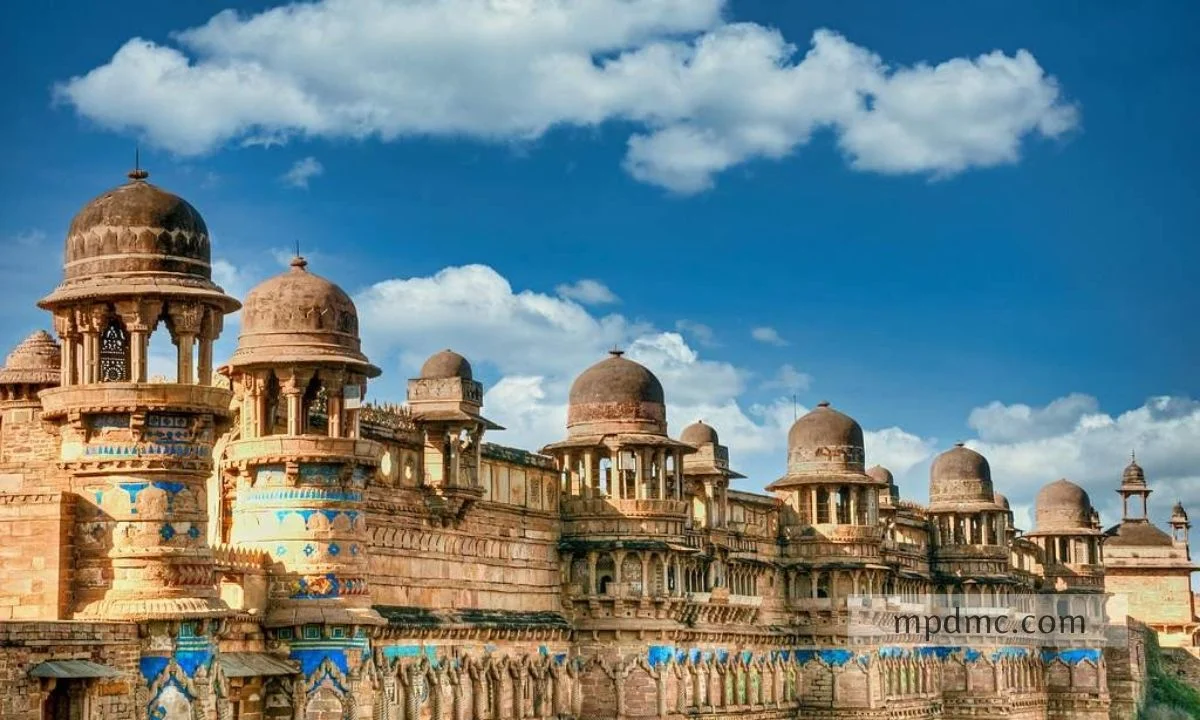
Gwalior, known as the “City of Forts,” is a mesmerizing blend of history, music, and culture. Nestled in the heart of Madhya Pradesh, it boasts majestic palaces, ancient temples, and the legendary Gwalior Fort. Revered as a hub of classical music, the city resonates with centuries of artistic legacy and royal grandeur.
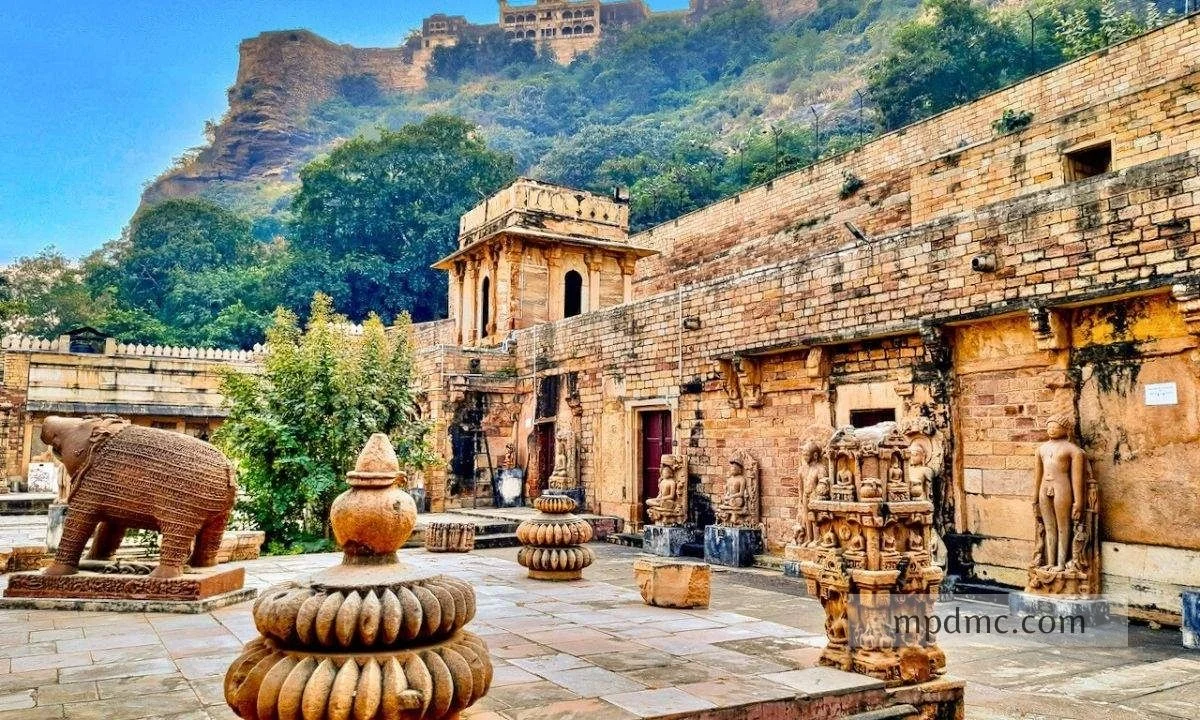
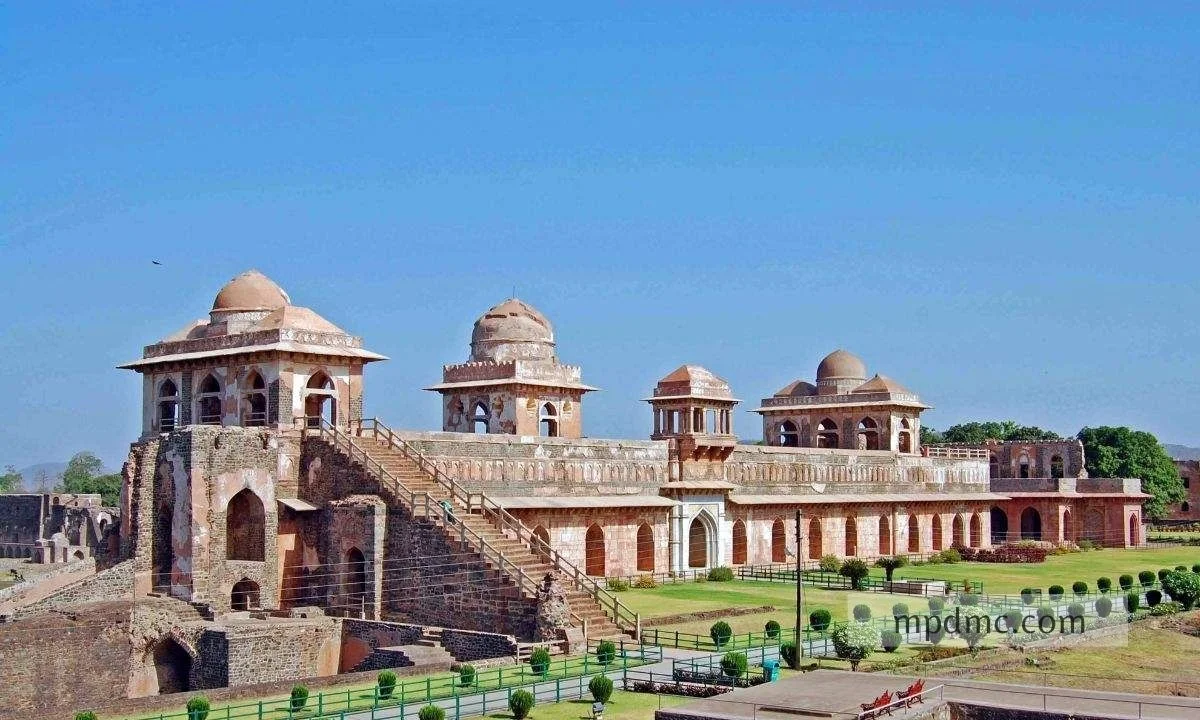
The iconic Gwalior Fort rises dramatically above the city, guarding centuries of history. Its massive walls, intricate palaces, and hidden temples narrate stories of kings, battles, and devotion. From the Saas Bahu Temple to the Gujari Mahal Museum, the fort is an architectural treasure trove that reflects the city’s resilience and grandeur.
Legends suggest that the fort’s origins date back to the 8th century, though its structure was enhanced by various dynasties including the Tomars, Mughals, and Scindias. Walking through its narrow corridors, you encounter a mix of Rajput, Mughal, and Maratha architectural influences, each telling a tale of conquest, devotion, and artistry.
Gwalior is celebrated as the birthplace of the Gwalior Gharana, one of the oldest schools of Indian classical music. Legendary musicians like Tansen shaped Hindustani music here, and the city continues to host vibrant festivals that honor its melodious heritage. The annual Tansen Music Festival attracts maestros from across the country, turning the city into a living concert hall of traditional ragas.
The city’s streets still echo with the sound of classical instruments—sitar, sarod, and tabla—preserving centuries-old traditions while inspiring new generations of musicians.
Perched atop a hill, Gwalior Fort is a blend of military architecture and royal elegance. Explore its palaces, temples, and step wells while soaking in panoramic views of the city.
This 16th-century monument honors the legendary musician Tansen, one of the nine gems of Emperor Akbar’s court. It’s a serene place, surrounded by lush gardens, perfect for music lovers and history enthusiasts alike. The tomb remains a center for musical homage and students of classical music often visit to seek inspiration.
A historic palace turned museum, Gujari Mahal showcases sculptures, artifacts, and ancient coins that tell the story of Gwalior’s royal and cultural past. The museum also displays exquisite carvings and murals depicting the city’s rich artistic heritage.
These twin temples, located near Gwalior Fort, date back to the 11th century. Carved intricately from sandstone, they exhibit architectural brilliance with detailed sculptures of deities, floral patterns, and mythical scenes. The temples are a testament to the skill of artisans of the time.
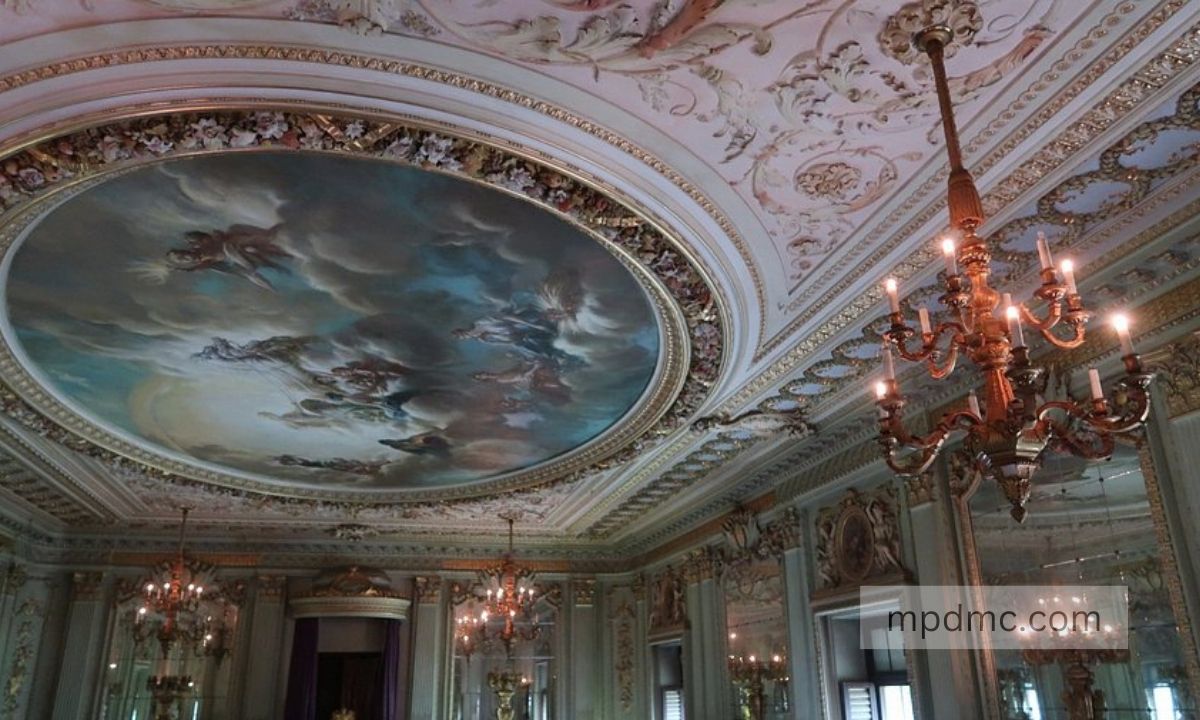
Known as the Jai Vilas Palace, this royal residence was built in the 19th century by Maharaja Jayajirao Scindia. With European-style interiors, stunning chandeliers, and vast gardens, it reflects the cosmopolitan tastes of the Scindia rulers. The museum inside displays royal artifacts, vintage cars, and portraits of the Scindia family.
Wander through bustling bazaars such as Sarafa Bazaar and Rani Laxmibai Market, savor street food delights like poha, samosas, and sweets, and attend live classical music performances. Each alley, temple, and fort narrates the story of a city where heritage and everyday life coexist harmoniously.
Visitors can also enjoy boat rides along the nearby river, visit serene gardens, and attend cultural events that showcase folk music and dance, bringing the city’s heritage to life.
Gwalior invites travelers to explore not just its monuments, but its cultural heartbeat. From the echoing walls of Gwalior Fort to the melodious legacy of Tansen, the city remains a timeless symbol of India’s rich heritage. Whether tracing the footsteps of legendary musicians, admiring architectural marvels, or simply strolling through vibrant streets, Gwalior promises an unforgettable journey through history, art, and culture.
Discover the grandeur of Indore’s royal past through its magnificent palaces, vibrant culture, and regal traditions that reflect the timeless elegance of Madhya Pradesh.
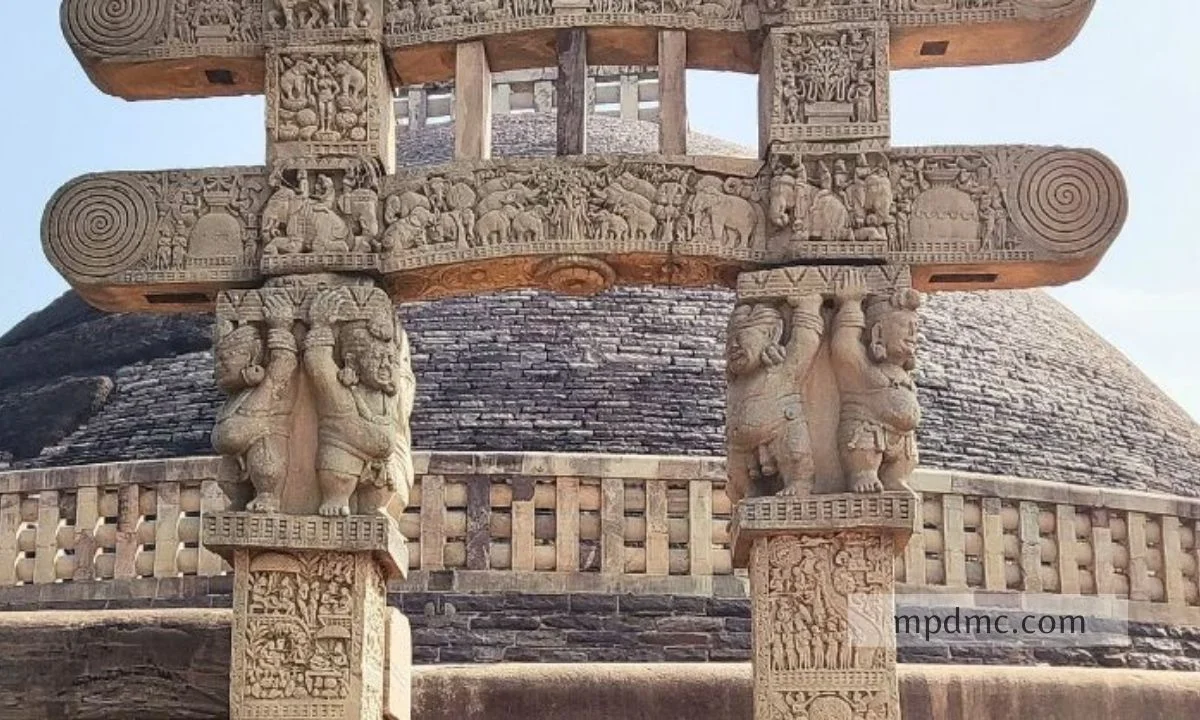
Explore Bhopal’s rich heritage, from the iconic Sanchi Stupa to ancient temples and architectural marvels that tell stories of India’s glorious past.
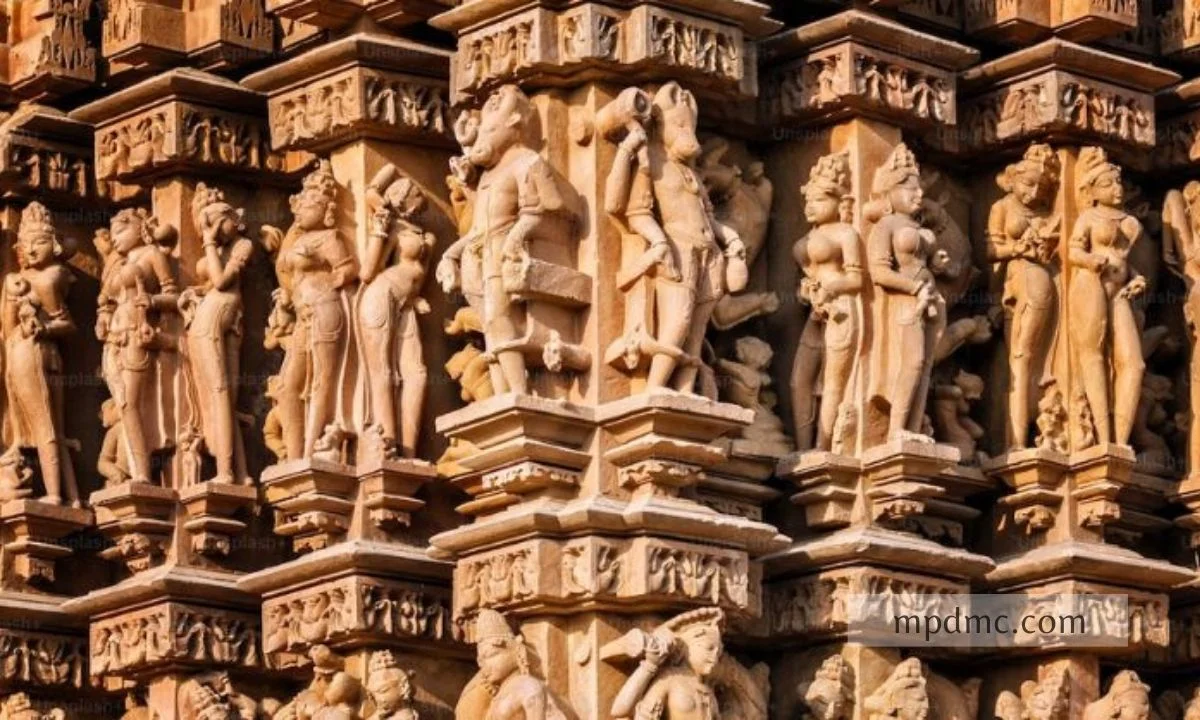
Experience the untamed charm of the Vindhya ranges, where natural beauty, wildlife, and ancient temples like Khajuraho paint a breathtaking picture of Madhya Pradesh.
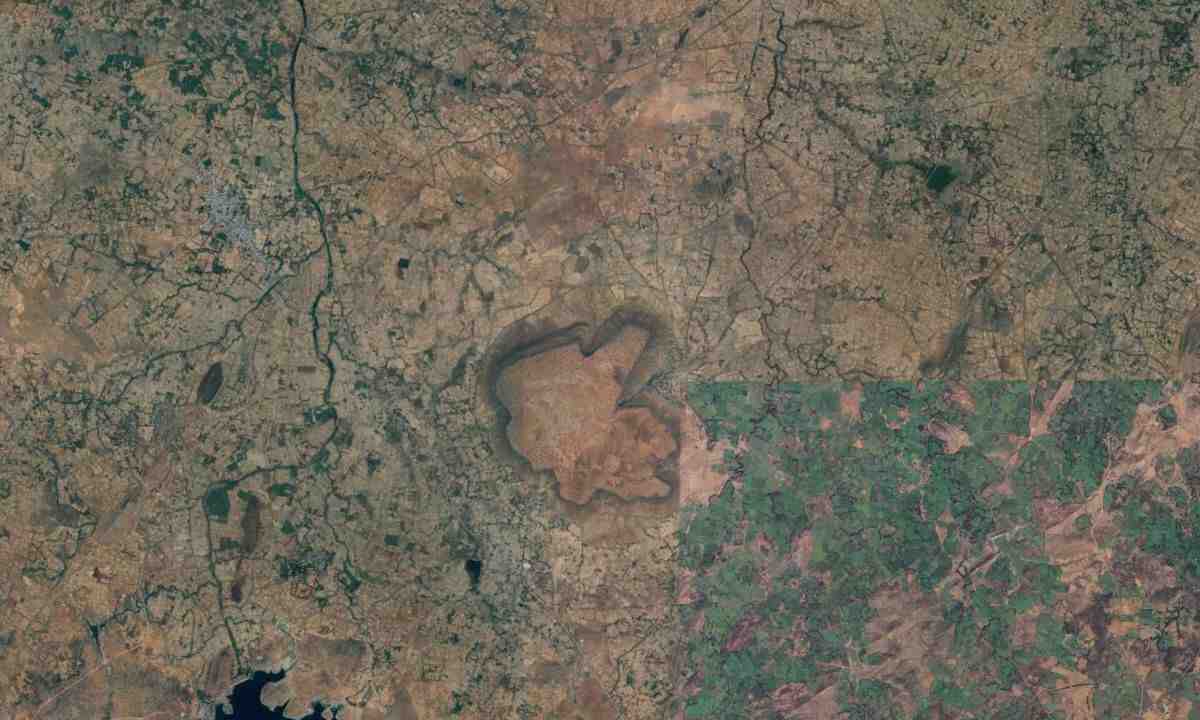
Unveil the mystery of Madhya Pradesh’s crater lakes, stunning natural formations that blend geological marvels with serene scenic beauty.
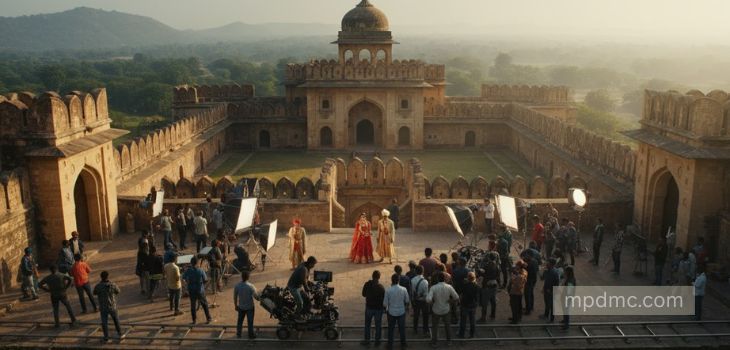
From royal forts to lush landscapes, discover why Madhya Pradesh is the cinematic heart of India—offering stunning backdrops for every filmmaker’s vision.
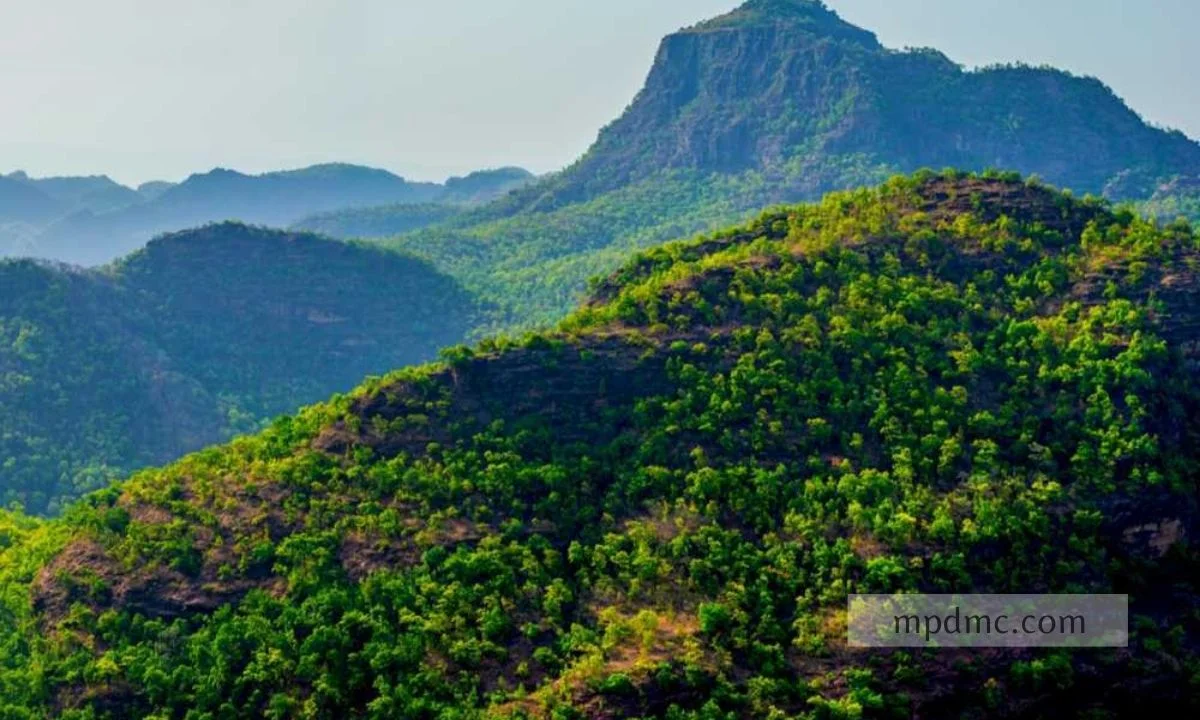
Journey through Pachmarhi, the Queen of Satpura, where misty hills, cascading waterfalls, and lush forests make it a paradise for nature lovers and adventure seekers.
If you have any query, send enquiry now, our team will be in touch with you within 24hr.

MadhyaPradeshDMC © All Rights Reserved